

Pest Library
House Fly
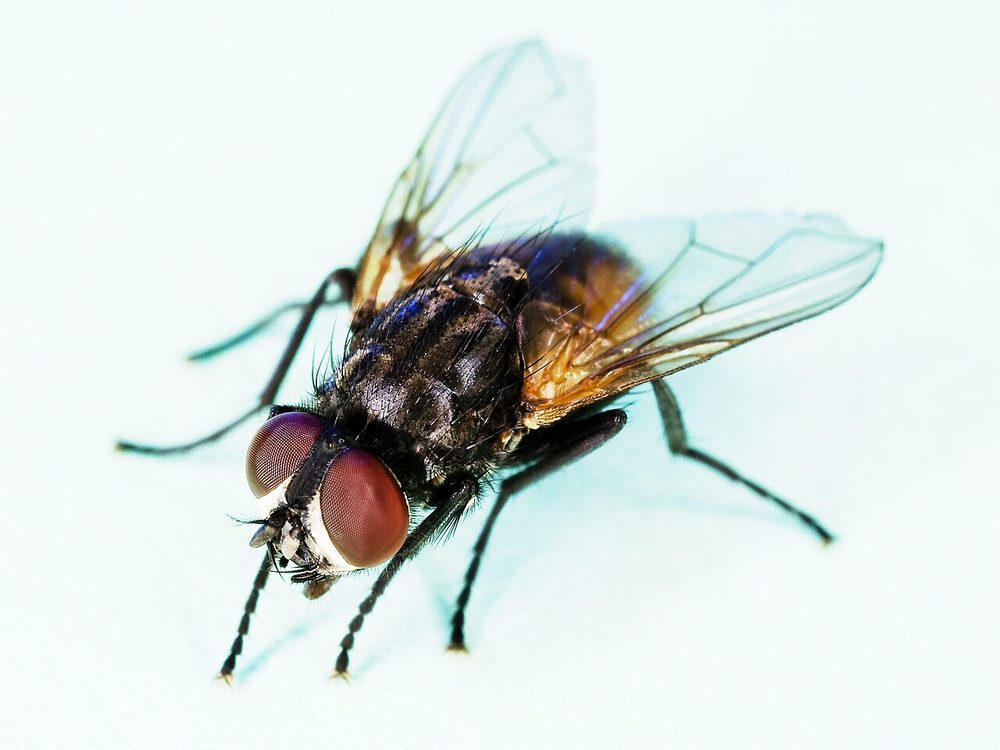
House flies are gray flies with four dark stripes on the thorax that develop in decaying organic material — trash, spills, dumpster residue, pet waste and organic sludge. Sustained indoor numbers almost always mean a breeding source is close by, and finding it matters more than trapping adults.
Profile
- Scientific name
- Musca domestica
- Identification
- Dull gray body, four lengthwise thoracic stripes, sponging mouthparts, no biting.
- Typical size
- About 1/4 inch.
- Behavior
- Strong flier drawn to odors, warmth and light. Feeds by regurgitating and sponging, which spreads contamination.
- Habitat
- Trash areas, dumpsters, drains, pet waste, compost and organic buildup under equipment.
- Diet
- Decaying organic material, sugars, food residue.
- Lifecycle
- Egg to larva to pupa to adult in as little as a week under warm conditions.
- Why it matters
- House flies move between waste and food-contact surfaces and carry contamination, a particular concern in food service and healthcare.
- DIY considerations
- Sprays and traps knock down adults but never resolve an unfound breeding source.
- Professional considerations
- Service is a source investigation first: locate breeding material, document sanitation corrections, then use targeted treatment and monitoring devices.
Signs of activity
- Persistent flies in kitchens and dining areas
- Dark specks on light surfaces, ceilings and window frames
- Larvae in dumpster residue, drains or organic buildup
- Numbers spiking during warm weather or after a spill
Prevention
- Keep dumpster lids closed and clean pads and cans regularly
- Clean organic buildup under equipment and in floor drains
- Repair screens and use door sweeps and air curtains where appropriate
- Remove pet waste and standing organic debris promptly
Sources
Related information
Seeing house fly at your property?
Book online or request service through our secure customer portal. Tell us what you are seeing and where the property is located.