

Pest Library
Drain Fly
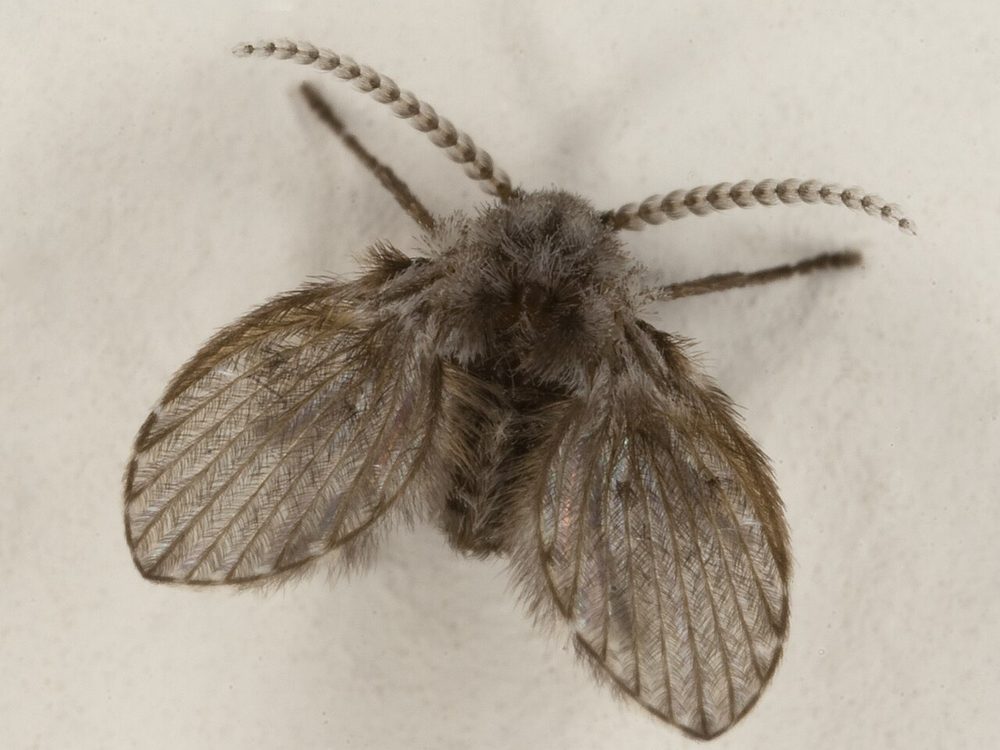
Drain flies are small, fuzzy, dark flies with broad moth-like wings, usually seen resting on bathroom walls or near floor drains and moving in short erratic hops rather than steady flight. They breed in the gelatinous organic film inside drains, traps and under equipment, so the fix is mechanical cleaning, not spraying.
Profile
- Scientific name
- Psychodidae family
- Identification
- Dark gray to brown, densely hairy, with rounded wings held roof-like over the body.
- Typical size
- About 1/8 inch (2-5 mm).
- Behavior
- Weak flier that stays close to breeding sites; often first noticed in seldom-used bathrooms.
- Habitat
- Floor drains, sink and shower traps, sewer breaks, condensate lines, mop sinks and grease traps.
- Diet
- Organic sludge and microbial film as larvae.
- Lifecycle
- Egg to adult in roughly one to three weeks depending on temperature.
- Why it matters
- A sanitation indicator. Persistent populations sometimes reveal a broken sewer line or a chronically wet void.
- DIY considerations
- Pouring bleach down a drain rinses through without removing the film that larvae live in; brushing does.
- Professional considerations
- Service confirms which drains are producing flies, treats with appropriate biological or targeted products, and flags plumbing defects for repair.
Signs of activity
- Fuzzy flies resting on walls near drains
- Flies emerging when a floor drain is opened
- Activity concentrated in a rarely used bathroom or utility room
- Positive result when clear tape is placed over a drain overnight
Prevention
- Physically scrub drain walls and remove organic film
- Run water in unused drains and keep traps filled
- Clean condensate lines, mop sinks and grease traps on a schedule
- Repair leaks and investigate chronically wet slab or crawl space areas
Sources
Related information
Seeing drain fly at your property?
Book online or request service through our secure customer portal. Tell us what you are seeing and where the property is located.