

Pest Library
Lone Star Tick
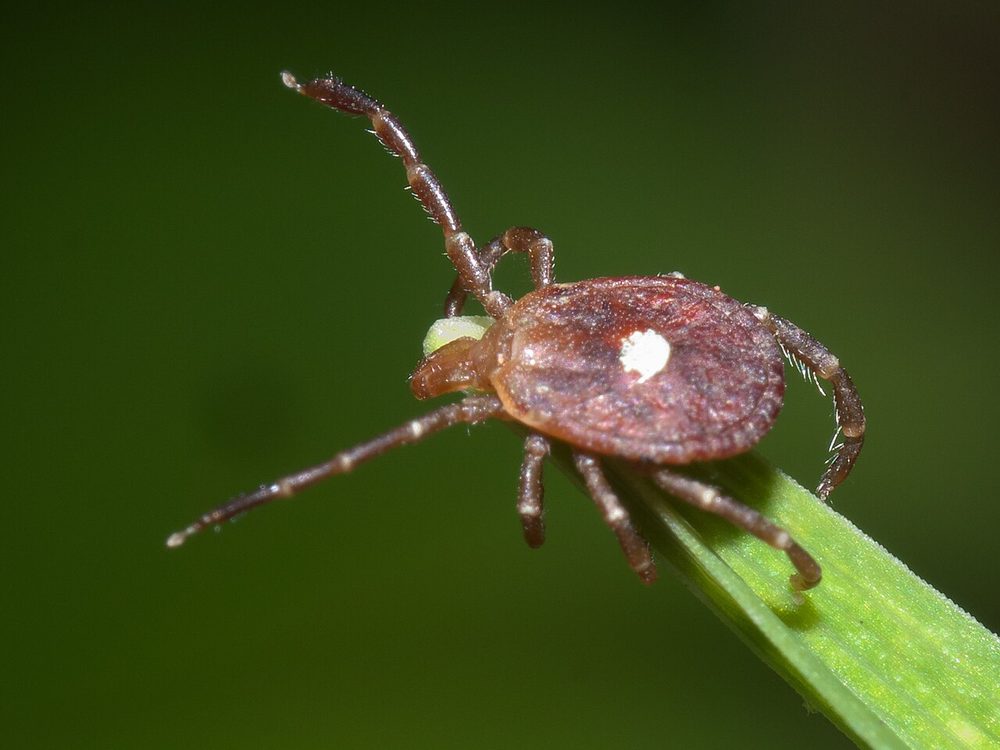
The lone star tick is one of the most commonly encountered ticks in the Southeast. Adult females carry a single white spot on the back, and the larval stage — the tiny seed ticks that arrive by the dozen — is often the first sign a property has heavy tick habitat.
Profile
- Scientific name
- Amblyomma americanum
- Identification
- Reddish-brown; females with one distinct white dot, males with faint pale streaks along the rear margin. Larvae are pinhead-sized with six legs.
- Typical size
- Unfed adults about 1/8-3/16 inch (3-5 mm); larvae under 1 mm.
- Behavior
- Actively seeks hosts rather than waiting passively, and all stages will bite people.
- Habitat
- Wooded understory, brushy edges, deer trails and shaded leaf litter.
- Diet
- Blood of deer, other mammals and people.
- Lifecycle
- Three-host cycle; larvae, nymphs and adults each active in overlapping warm-season windows.
- Why it matters
- Lone star ticks can transmit disease and are associated with allergic reactions in some people. Remove attached ticks promptly and take medical questions to a healthcare provider.
- DIY considerations
- Ticks come from habitat and wildlife pressure, so clearing and mowing come before any product.
- Professional considerations
- Service concentrates on habitat zones, shaded edges and travel corridors on seasonal timing.
Signs of activity
- Dozens of pinhead-sized larvae on socks or pets at once
- Ticks found after time in wooded or brushy parts of a property
- Deer activity and trails along the property line
Prevention
- Keep lawn mowed and clear leaf litter in shaded areas
- Maintain a buffer between wooded areas and used yard space
- Discourage deer traffic near the house where possible
- Use veterinarian-recommended prevention on pets and check them after outdoor time
Sources
Related information
Seeing lone star tick at your property?
Book online or request service through our secure customer portal. Tell us what you are seeing and where the property is located.