

Pest Library
Gulf Coast Tick
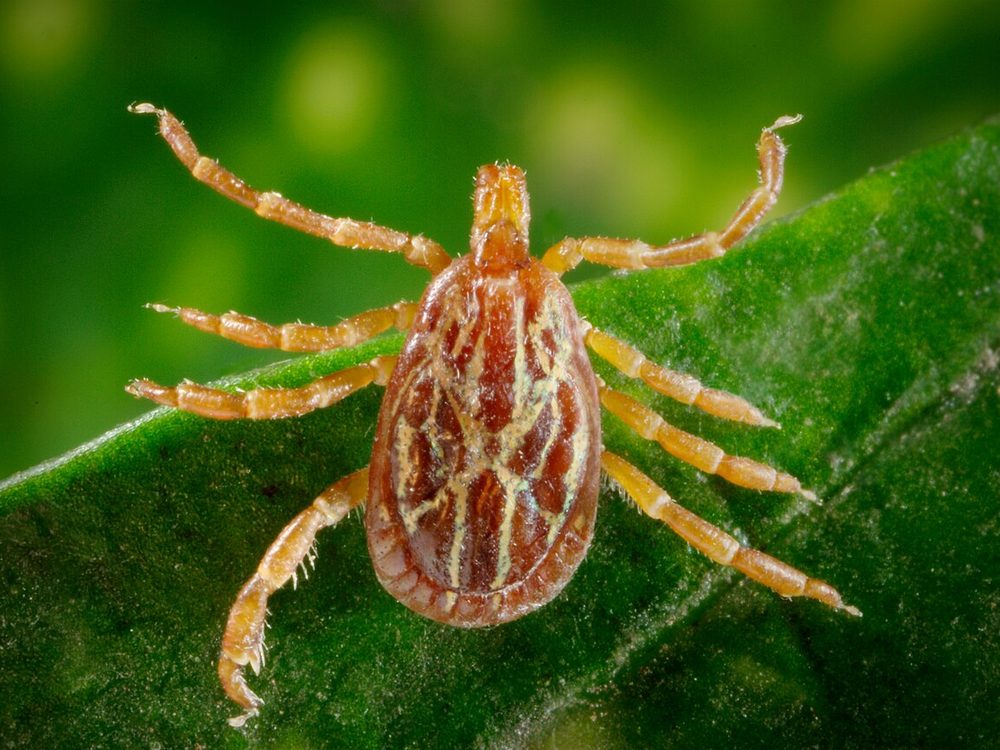
The Gulf Coast tick is a brown tick with ornate silvery markings that is well established in coastal grassland, brushy edges and pasture along the Alabama Gulf Coast. Adults commonly attach to larger animals, and people encounter them at property edges and in unmowed areas.
Profile
- Scientific name
- Amblyomma maculatum
- Identification
- Brown with distinct silvery-white ornamentation on the shield; longer mouthparts than dog ticks.
- Typical size
- Unfed adults roughly 1/4 inch (5-6 mm).
- Behavior
- Quests on tall grass and brush; adults prefer larger hosts, immatures prefer birds and small mammals.
- Habitat
- Coastal grassland, pasture edges, brushy lots and overgrown right-of-ways.
- Diet
- Blood of birds and mammals.
- Lifecycle
- Three-host life cycle with warm-season activity peaks.
- Why it matters
- Ticks can transmit disease. Remove attached ticks promptly and direct health questions to a healthcare provider or veterinarian.
- DIY considerations
- Habitat management along property edges is the highest-value step.
- Professional considerations
- Targeted edge and habitat treatment during peak activity, paired with mowing and clearing recommendations.
Signs of activity
- Ornate ticks found on pets or livestock after time in tall grass
- Ticks along an unmowed edge or adjacent vacant lot
- Encounters increasing during warm months
Prevention
- Mow and maintain edges, especially next to vacant or wooded lots
- Keep a cleared buffer between lawn and tall grass
- Use veterinarian-recommended tick prevention on pets
- Check people and pets after time in grassland areas
Sources
Related information
Seeing gulf coast tick at your property?
Book online or request service through our secure customer portal. Tell us what you are seeing and where the property is located.