

Pest Library
House Mouse
The house mouse is the small gray-brown rodent behind most indoor droppings found under sinks, in drawers and along baseboards. An adult can pass through an opening about the width of a pencil, so mouse work is fundamentally about finding and closing entry points.
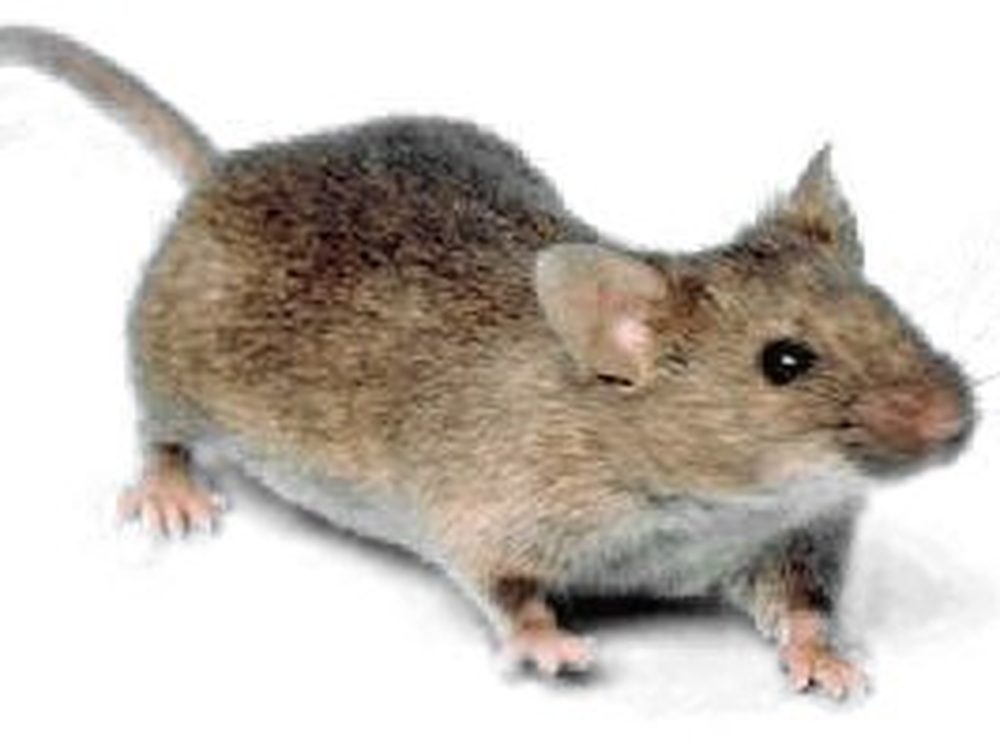
Profile
- Scientific name
- Mus musculus
- Identification
- Gray-brown above, lighter below, with large ears, small eyes, a pointed muzzle and a thin, sparsely haired tail roughly as long as the head and body.
- Typical size
- Body about 3 inches with a tail of similar length.
- Behavior
- Nocturnal, curious, and a constant nibbler that samples many food sites in one night. Nests within about 10 to 30 feet of a food source.
- Habitat
- Wall and cabinet voids, behind appliances, in insulation, stored boxes and garage clutter.
- Diet
- Grains, seeds and any available human or pet food.
- Lifecycle
- Fast reproduction — females can produce multiple litters a year, and populations grow quickly once indoors.
- Why it matters
- Mice contaminate food and surfaces with droppings and urine, carry disease organisms, and gnaw wiring, which is a fire concern. Clean contaminated areas carefully following CDC guidance rather than sweeping dry droppings.
- DIY considerations
- Snap traps can remove individuals, but without exclusion new mice keep entering. Poison used indoors without a plan can leave odor problems in walls.
- Professional considerations
- Service is inspection-led: identify entry points, seal them, place control devices along active runways, and follow up to confirm activity has stopped.
Signs of activity
- Dark droppings the size and shape of a rice grain
- Gnaw marks on food packaging, cabinet edges and wiring
- Greasy rub marks and runways along baseboards
- Shredded insulation, paper or fabric nesting material
- Scratching or scurrying in walls and ceilings at night
Prevention
- Seal gaps around pipes, dryer vents, garage door corners and siding penetrations
- Install and maintain door sweeps
- Store pantry goods and pet food in hard, sealed containers
- Reduce garage, attic and storage clutter
- Keep vegetation and stored material away from exterior walls
Sources
Related information
Seeing house mouse at your property?
Book online or request service through our secure customer portal. Tell us what you are seeing and where the property is located.