

Pest Library
Brown Dog Tick
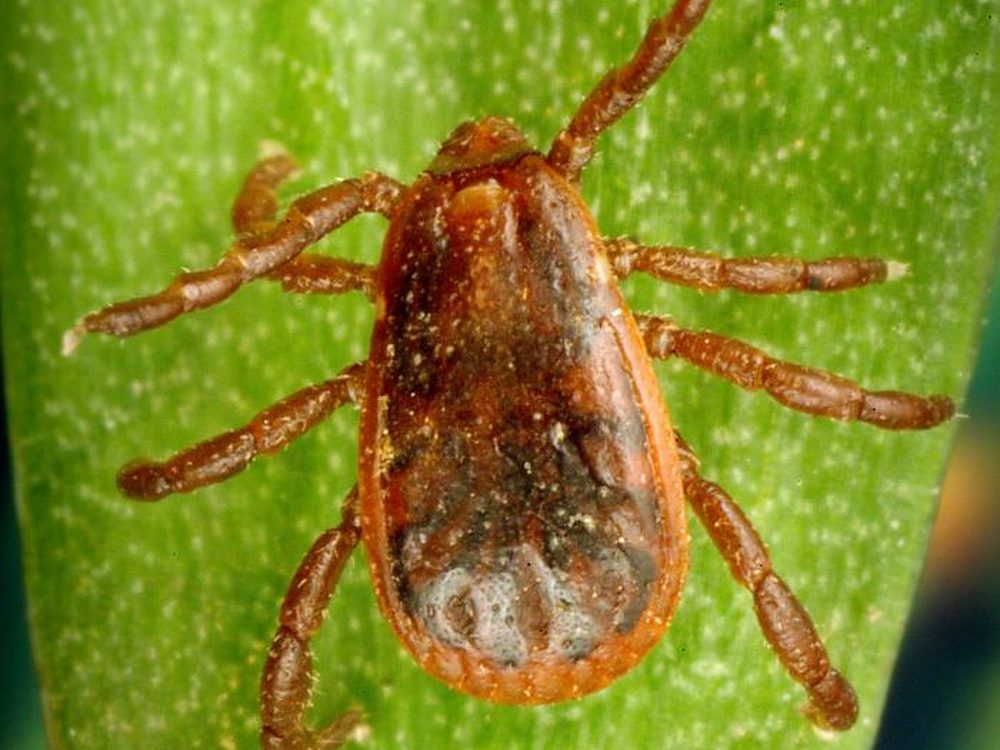
The brown dog tick is the one tick that regularly infests homes and kennels indoors, completing its entire life cycle inside. Uniform reddish-brown with no pale markings, it is often noticed climbing walls, door frames and curtains rather than out in the yard.
Profile
- Scientific name
- Rhipicephalus sanguineus
- Identification
- Uniform reddish-brown scutum with no mottling; narrower body outline than dog ticks.
- Typical size
- Unfed adults about 1/8 inch (3 mm); engorged females much larger.
- Behavior
- Hides in cracks, baseboards and furniture between feedings, and climbs upward to molt and lay eggs.
- Habitat
- Baseboards, wall cracks, furniture, crates, kennels and pet bedding.
- Diet
- Primarily dog blood.
- Lifecycle
- All stages can develop indoors, so populations can grow quickly year-round in conditioned space.
- Why it matters
- Primarily a concern for dog health. Consult a veterinarian about pet treatment and disease risk.
- DIY considerations
- Yard treatment does not address an indoor population. Vacuuming and laundering help but rarely finish it.
- Professional considerations
- Indoor service targets cracks, baseboards and harborage, coordinated with veterinary treatment, with follow-up because eggs continue hatching.
Signs of activity
- Ticks climbing walls, door frames or curtains
- Ticks in cracks, baseboards or behind furniture
- Repeat ticks on a dog that has not been outside much
- Egg masses in protected indoor crevices
Prevention
- Keep dogs on a veterinarian-recommended tick product
- Wash and dry pet bedding on hot cycles
- Vacuum baseboards, cracks and furniture seams thoroughly
- Seal cracks and reduce clutter that offers hiding space
Sources
Related information
Seeing brown dog tick at your property?
Book online or request service through our secure customer portal. Tell us what you are seeing and where the property is located.