

Bed bug guide
How Do Mice Get Into a House? Entry Points Worth Checking
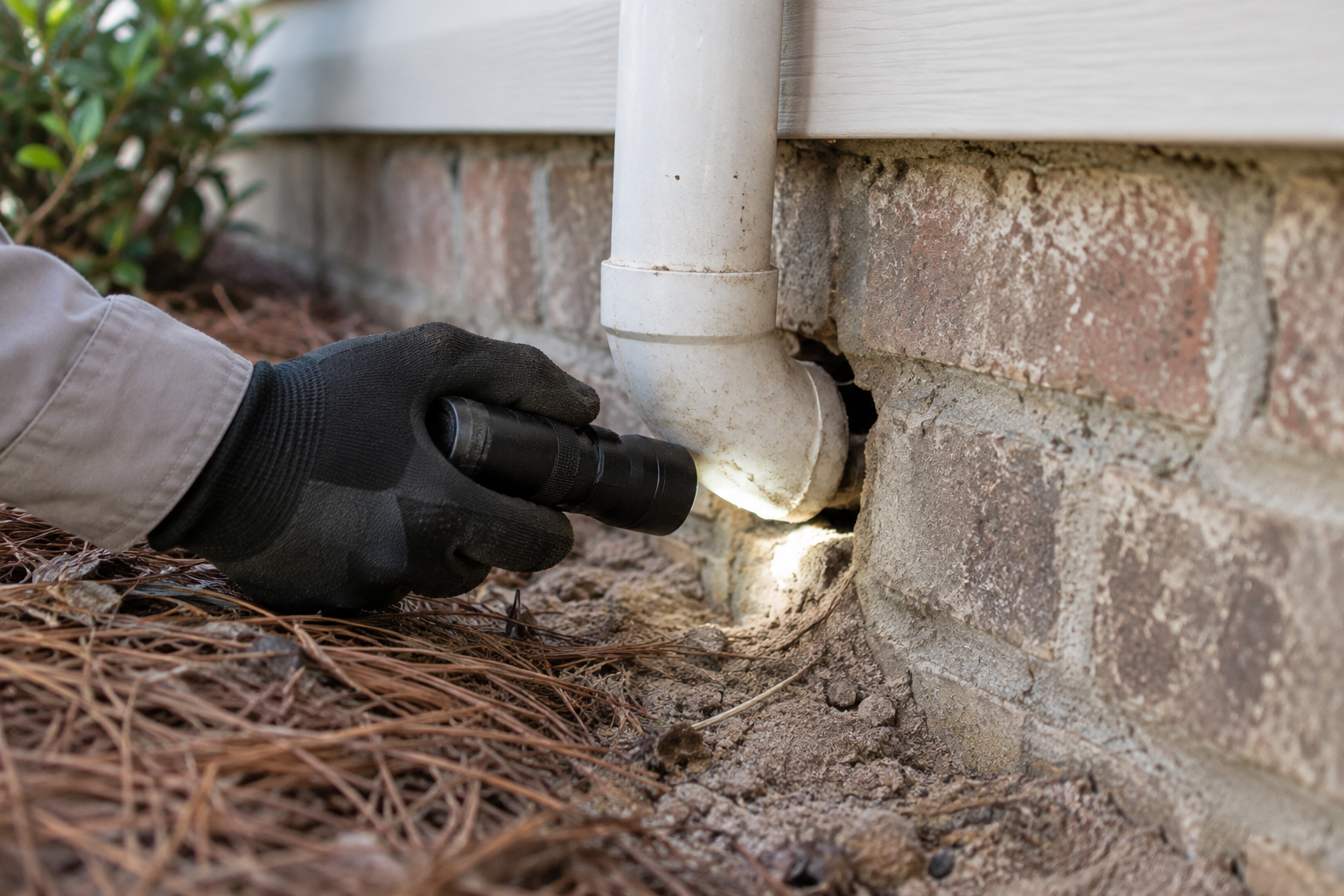
Mice get into a house through small gaps around doors, pipes, vents, foundations, and roof edges; some can squeeze through openings about 1/4 inch wide. Finding those openings matters as much as addressing mice already indoors, because traps alone do not close the routes they use.
Which openings should you check first?
Start with exterior doors, garage doors, and utility penetrations near ground level. These are accessible places to inspect, and small defects can connect outdoor shelter directly to indoor spaces.
Walk around the building with a flashlight, looking closely where different materials meet. A gap between siding and masonry may be easier to overlook than an obvious hole in a wall.
Use this exterior checklist:
- Door bottoms and corners: Look for daylight, torn sweeps, and weatherstripping that no longer meets the frame.
- Garage doors: Check the bottom seal and both lower corners, especially where the driveway surface is uneven.
- Pipe and cable openings: Inspect around plumbing, electrical conduit, internet cables, and air-conditioning lines without disturbing equipment.
- Foundation and siding joints: Look for cracks, missing mortar, and uncovered edges that lead into wall cavities.
- Crawl-space access doors: Check for loose frames, damaged panels, and openings around the perimeter.
In Baldwin County homes with garages or exterior storage rooms, inspect the door between those spaces and the living area too. A mouse entering a garage still needs an interior route, and closing that second opening helps limit access.
Can mice enter through the attic or crawl space?
Yes. Mice can climb rough surfaces and reach openings above ground level, while crawl-space gaps can provide access to plumbing chases and wall voids.
Check soffits, fascia joints, roof-to-wall intersections, and attic vent screens from a safe position. Branches touching the building and stored materials against walls can make elevated areas easier to reach. Do not climb onto a roof just to confirm a suspected opening; arrange a qualified inspection instead.
For raised Gulf Coast homes, look beneath the living area where utilities pass through the floor. An opening below a bathroom or kitchen may connect to the space behind cabinets without being visible from inside.
Damaged vent screens need attention, but do not block required ventilation or drainage. Dryer exhausts, combustion vents, and other specialized openings need appropriate repairs rather than improvised mesh that could restrict airflow or collect lint.
How can you tell which gap mice are using?
Droppings, gnaw marks, nesting material, and repeated sightings near an opening can point to an active route. No single clue proves where mice entered, so compare indoor evidence with nearby exterior gaps.
Look behind accessible appliances, beneath sinks, along garage walls, and inside lower cabinets. Mice often travel along edges rather than crossing open rooms, so evidence beside a wall may be more useful than a sighting in the middle of a room.
An indoor hole around a sink pipe may be an exit from a wall cavity, not the original outdoor entry point. Follow the likely route outward rather than assuming that plugging the cabinet opening solves the entire problem.
Photograph suspected gaps and note where and when activity occurs. Renters should share that record with their landlord or property manager, especially when repairs involve exterior walls or shared utility spaces.
Avoid sweeping or vacuuming rodent droppings dry. Follow public-health guidance for wet disinfection and safe removal, and seek professional guidance for substantial contamination or inaccessible areas.
What keeps mice from coming back?
Lasting prevention combines appropriate exclusion repairs, control of mice already indoors, and reduced access to food and shelter. Sealing one visible hole without checking the rest of the building can leave alternate routes open.
Choose repair materials suited to the opening. Metal flashing, appropriate metal mesh, mortar, and durable door seals can resist gnawing better than soft fillers. Expanding foam alone is not a dependable rodent barrier, although sealant may help finish a repair around a suitable resistant material.
Coordinate exclusion with an indoor control plan. Closing every opening while mice remain inside can leave activity unresolved in walls or living spaces. Keep traps inaccessible to children and pets, and use pesticides only according to their labels.
Reduce the reasons mice stay nearby:
- Store pantry goods and pet food in tightly closed, durable containers.
- Clean food spills beneath appliances and avoid leaving pet food out overnight.
- Reduce cardboard clutter and keep stored items away from walls where practical.
- Move firewood and dense vegetation away from the building.
- Repair leaks and address standing water or persistent moisture.
A clean home can still develop a mouse problem. Sanitation helps, but it cannot substitute for repairing entry points.
When should you request a professional inspection?
Request an inspection when activity continues, entry points are inaccessible, or the building has shared walls and complicated utility routes. Repeatedly catching mice without fewer signs of activity is another reason to reassess the whole structure.
Bed Bugs & Beyond offers Pest Inspection, Rodent Control (Rats & Mice), and Rodent Exclusion. For homeowners in Foley and surrounding Baldwin County communities, these services are relevant options alongside broader Residential Pest Control.
Property managers should consider adjacent units and shared penetrations rather than treating each sighting as an isolated event. Documented access points help guide repair decisions without assuming every opening is active.
Frequently Asked Questions
Small openings and hidden travel routes explain many mouse intrusions. These answers address common questions that come up during an entry-point check.
How small a hole can a mouse fit through?
Some mice can squeeze through an opening about 1/4 inch wide. Treat small gaps as worth inspecting rather than judging them by how narrow they look.
Can mice get in through a closed garage door?
Yes. Worn bottom seals, uneven pavement, and gaps at the corners can allow entry even when the door is fully closed.
Will sealing holes get rid of mice already inside?
Not necessarily. Exclusion prevents access, but mice already indoors may require a separate control plan coordinated with repairs.
Need help identifying mouse entry points? Request service from Bed Bugs & Beyond through the online contact portal to discuss inspection, rodent control, and exclusion.